AIMS & OBJECTIVES
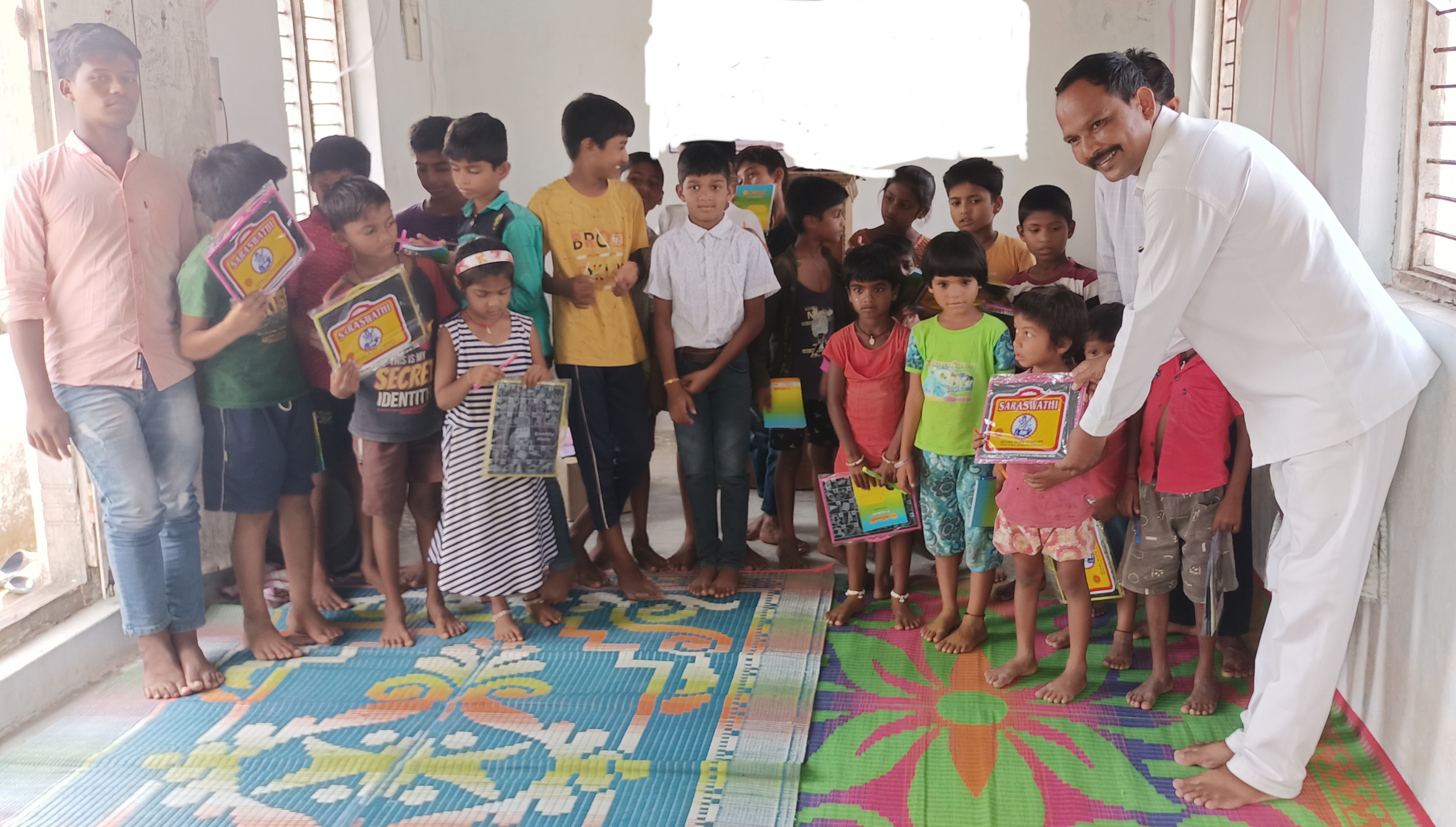
Educational support and children's homes
Provide complete educational support to orphans and poor students so that lack of money never forces a child to stop studying.
Cover school and college fees, examination charges, uniforms, textbooks, notebooks, stationery, bags, and basic digital devices where needed.
Identify bright and hardworking students and offer special scholarships that help them complete higher education and professional courses.
Establish safe and loving children's homes for orphaned and vulnerable children from every religion, caste, tribe, and community.
Ensure that every child in the home receives nutritious food three times a day, along with healthy snacks and clean drinking water.
Provide comfortable shared rooms, clean bedding, and a secure environment where children feel protected and emotionally supported.
Arrange regular health check-ups, vaccinations, and emergency medical care so that children grow up physically strong and healthy.
Offer daily study hours with tutors, mentorship, and access to books, computers, and internet for homework and research.
Introduce vocational training modules such as basic computers, tailoring, crafts, and language skills to prepare children for future employment.
Build a caring family atmosphere with cultural activities, festivals, games, and counselling so that every child feels valued and confident.
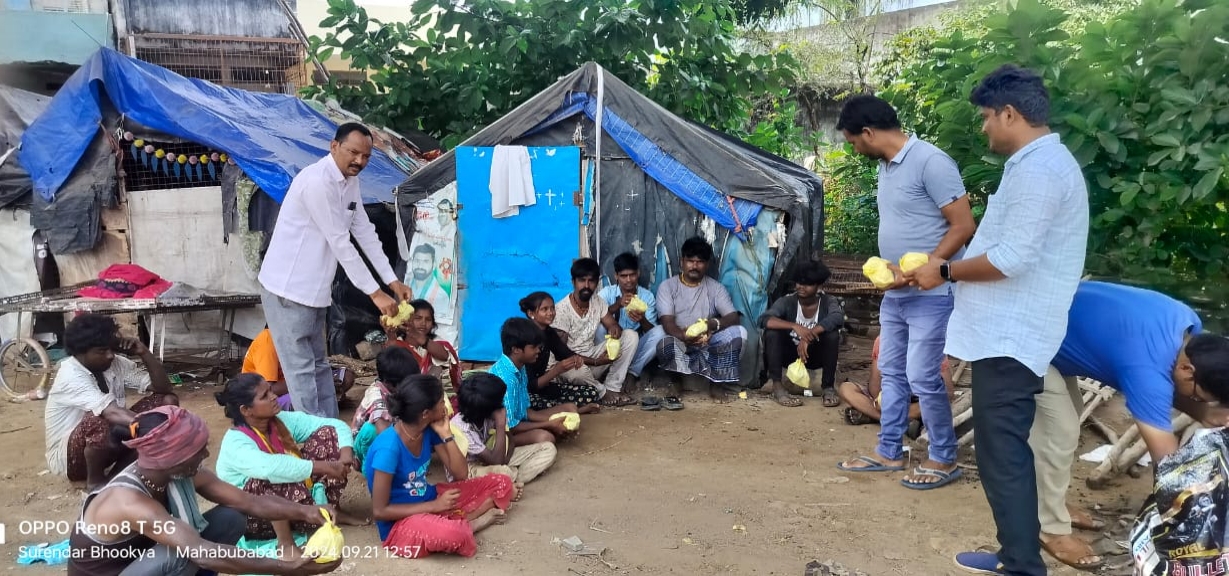
Food, free hostels and shelters
Provide regular healthy meals to poor and orphaned students so that hunger does not become a barrier to education.
Plan balanced menus with grains, pulses, vegetables, fruits, and clean water to support physical growth and mental focus.
Run community kitchens and meal programs near schools and colleges where students can eat safely and with dignity.
Establish free student hostels for children who live far away from educational institutions or come from unsafe home environments.
Maintain orphanage homes that give children a stable place to live, sleep, study, and play under the guidance of caring staff.
Provide separate and secure shelters for widows who have lost support, offering them safety, companionship, and respect.
Ensure that each hostel and shelter has proper sanitation, bathing facilities, clean drinking water, and basic health care access.
Offer evening study rooms and quiet spaces where resident students can concentrate on their homework and exam preparation.
Organize regular group activities such as group prayers, cultural programs, games, and life-skills sessions to build community bonding.
Work with local donors and partners to keep meal programs and hostels sustainable, transparent, and accountable to the community.
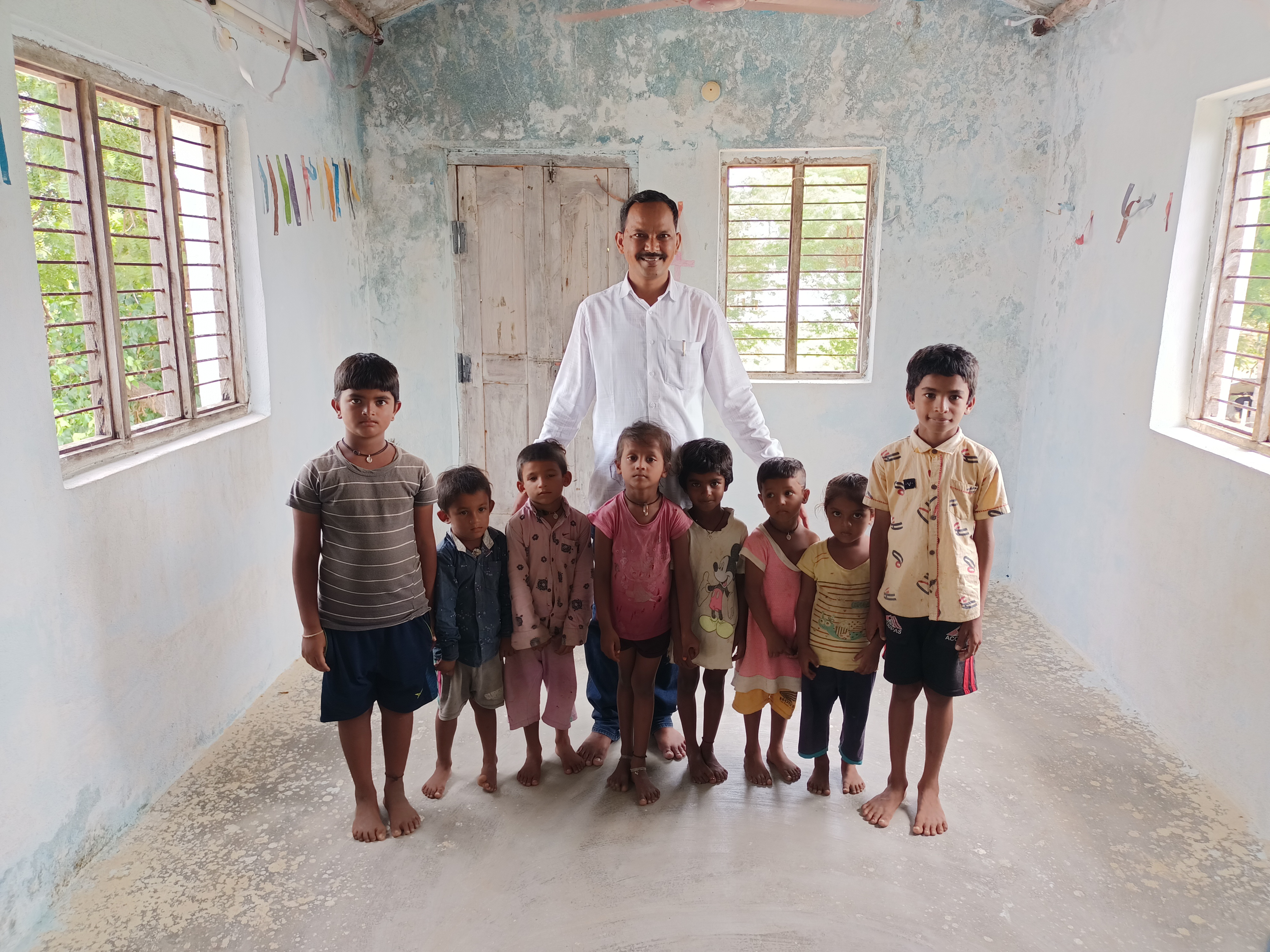
Seminars, workshops and special tuition
Conduct regular seminars that inspire students to set clear goals, manage time, and develop confidence in their abilities.
Invite teachers, professionals, and counsellors to share knowledge on careers, higher education, competitive exams, and life choices.
Organize academic workshops that focus on subjects like mathematics, science, languages, and computer skills in a practical way.
Provide special tuition for slow learners, first-generation learners, and students who have fallen behind in their classes.